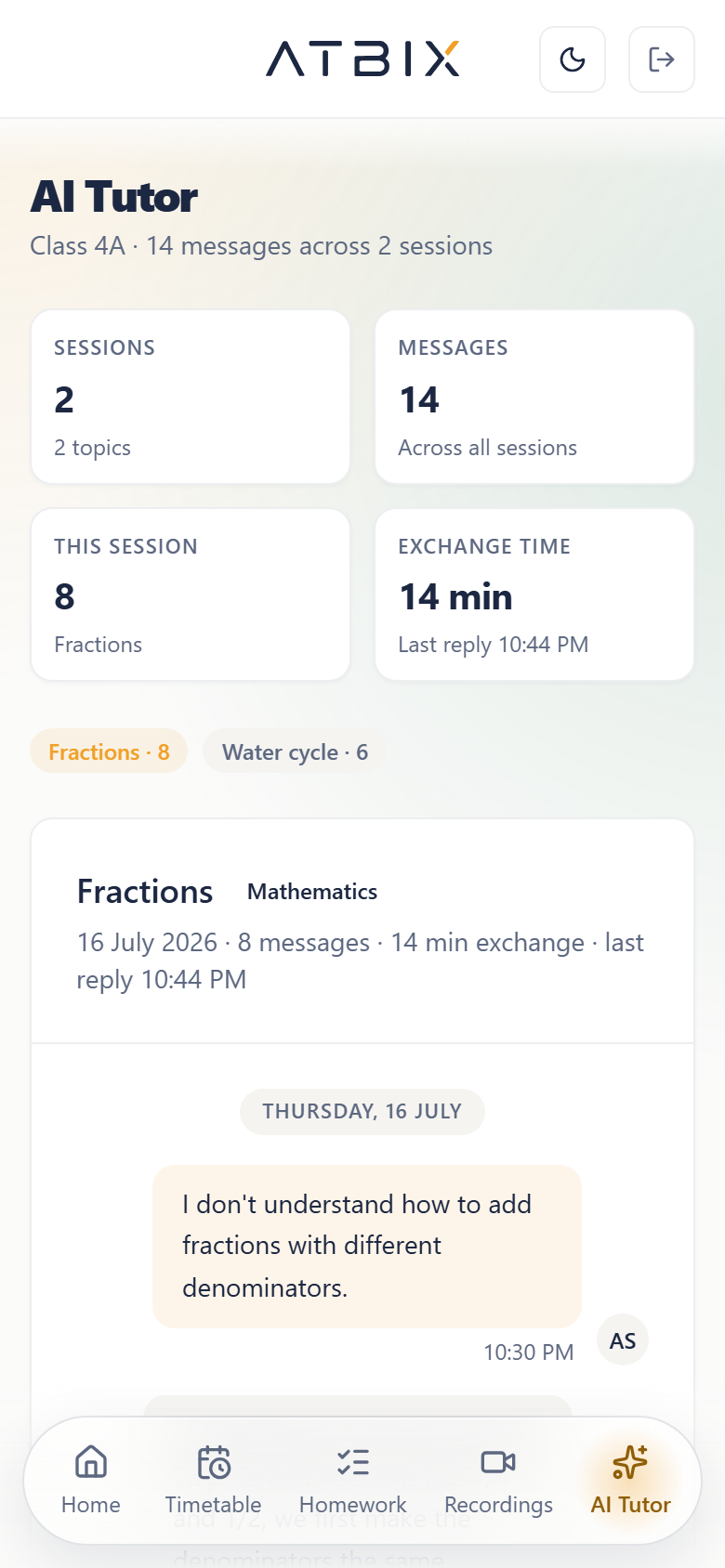
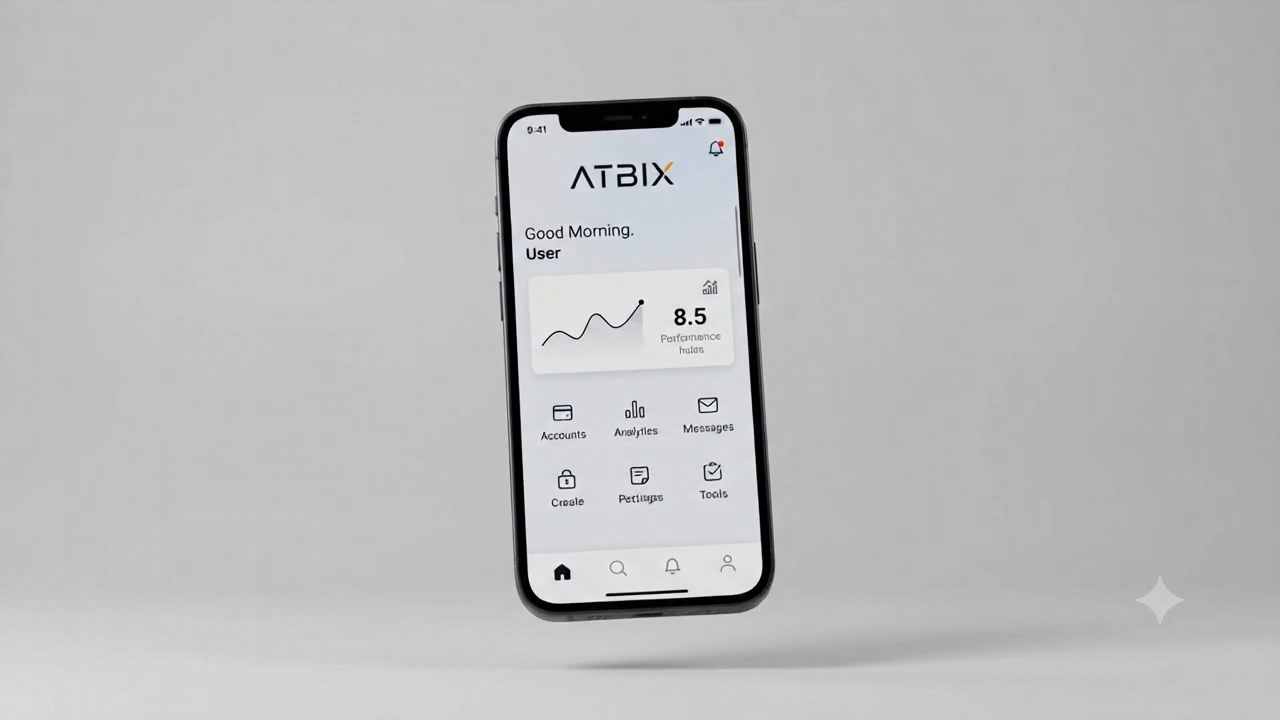
A school platform should not constantly remind people that they are using technology. It should help attendance, communication, approvals and everyday coordination move with less effort.
Design around the moment, not the module
Teachers do not experience the day as a list of software categories. They experience a class beginning, an assignment needing to be shared or a parent conversation requiring context.
When product design begins with these moments, workflows become shorter, language becomes clearer and the interface better reflects the work.
Consistency creates confidence
Repeated interaction patterns reduce the amount people need to relearn. The same logic for status, confirmation and next action should follow a person across the platform.
This matters in schools where many users engage with technology briefly and under real time pressure.
Measure the interruption removed
A valuable feature may save only a few seconds, but repeat that action across every class, teacher and school day and the effect becomes meaningful.
Product teams should look beyond feature completion toward the interruptions, uncertainty and duplicate work removed from the institution.
THE CENTRAL IDEAGreat school software fits the rhythm of real work so naturally that the outcome becomes more visible than the interface.